
An analysis of the 310 acres of land by the Nature Conservancy found the following plant species. This is not a complete list, but covers most of the predominant species. Pictures and potential uses are listed with each plant.
Plant images courtesy of Wikimedia Commons contributors under Creative Commons licenses. Click any image to view larger.
Trees
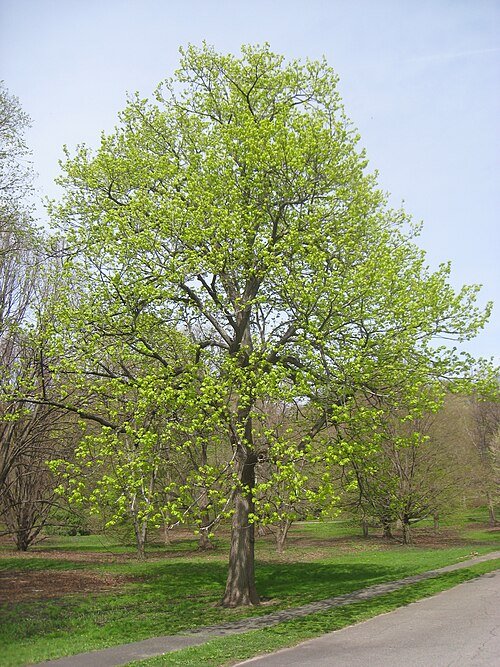
Basswood (Linden)
Tilia americana
A medium to large deciduous tree growing 60-120' tall. Its flowers provide abundant nectar for bees who produce excellent honey from its blossoms. The foliage and flowers are both edible. The wood is excellent for wood-carving, and the inner bark is very tough and fibrous, used historically for making ropes. Medicinally, flowers are used to treat colds, cough, fever, and as a sedative.
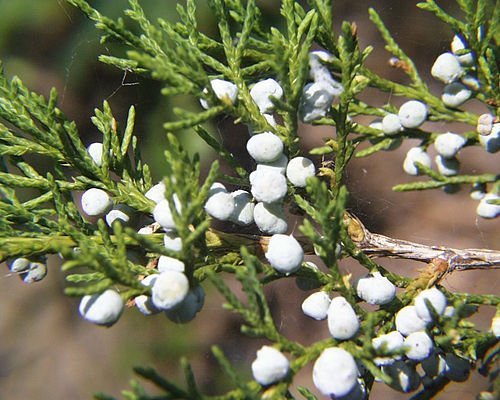
Eastern Red Cedar
Juniperus virginiana
Common around field edges, this is a first-succession tree. The wood is highly valued for its beauty, durability, and workability, providing cedarwood oil for fragrance. Native Americans used berry decoctions for worms, chewed berries for canker sores, and inhaled smoke from burned twigs as a cold remedy.
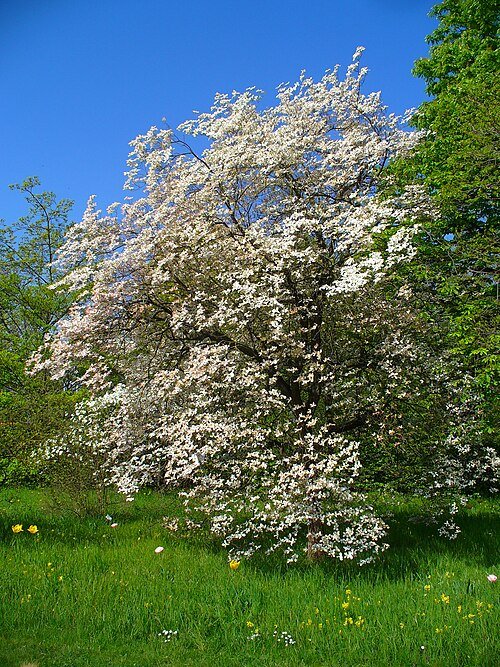
Flowering Dogwood
Cornus florida
A small tree with white or pink flowers. Historically used as a substitute for quinine to fight malaria and reduce fevers. Native Americans chewed the bark for headaches. The wood is hard and dense, used for tool handles and mallets. This is a dynamic accumulator—mulch from leaves provides many micronutrients.
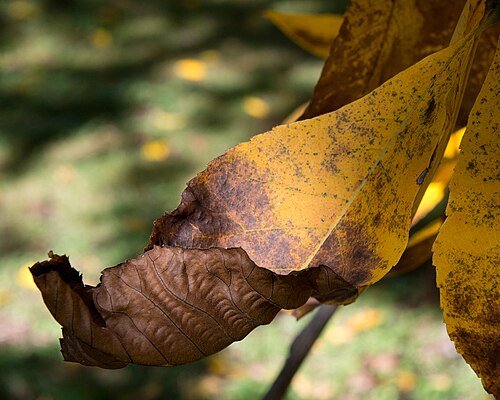
Shagbark Hickory
Carya ovata
Identified by bark that peels off in thin, curling sections. The nuts are edible—Native Americans stored them for winter and made cooking oil from them. The sap can be made into syrup. The hard wood adds great flavor to smoked meats and was used by Native Americans to make bows and arrows.
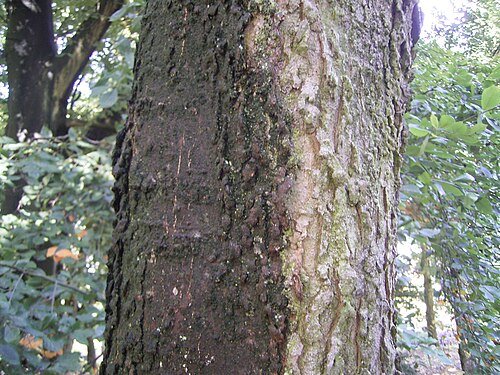
Hackberry
Celtis occidentalis
The berries are edible with a date-like taste. Native Americans ate them directly or pounded into mash and cooked over fire. Wild turkey, pheasant, quail, grouse, and robins eat the berries. The deep roots prevent soil erosion.
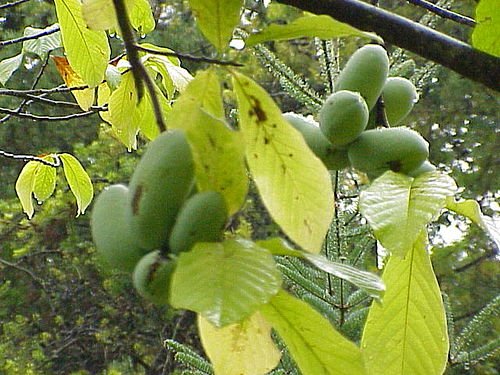
Pawpaw
Asimina triloba
Produces the largest native fruit in North America, tasting similar to banana and mango with a custard-like texture. Native Americans mashed the fruit into cakes and dried them. The inner bark was used to make strong ropes and string.
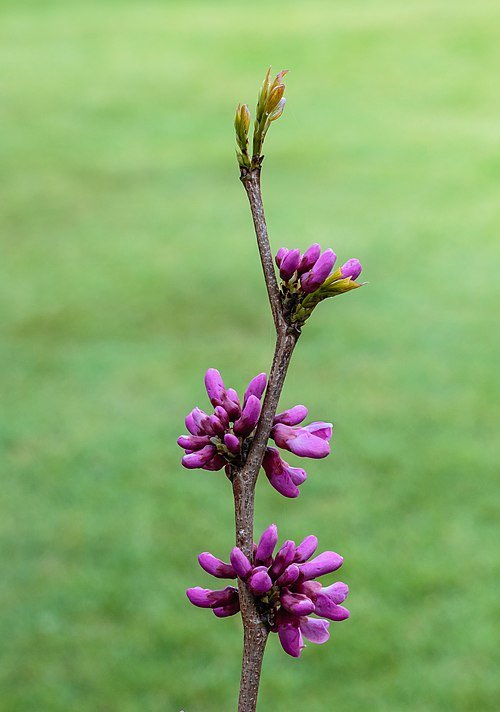
Eastern Redbud
Cercis canadensis
A quick-growing small tree with showy magenta flowers that attract hummingbirds. The flowers are edible with an acid taste, high in vitamin C, and commonly added to salads. Seeds can be roasted in ashes and eaten. Native Americans used bark infusions for fever and congestion.
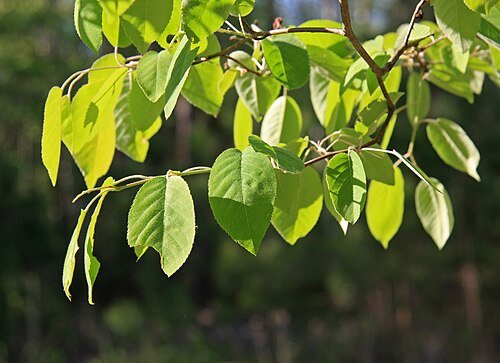
Serviceberry
Amelanchier arborea
Also known as Shadbush. Produces edible berries similar to blueberries, often used in jams and pies. The berries attract over 40 different kinds of birds. The wood is one of the densest in North America.
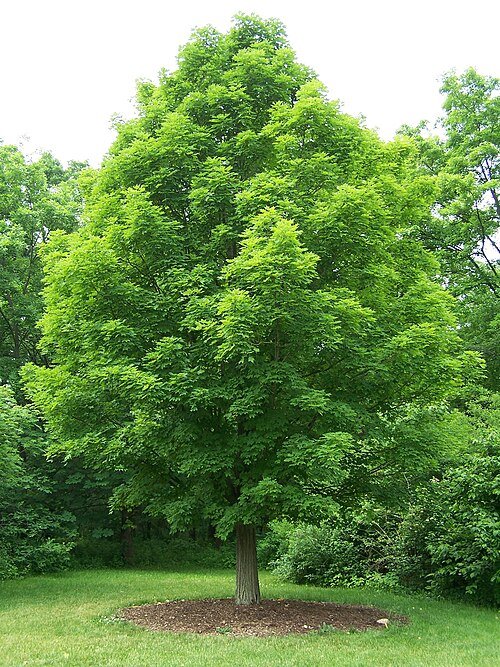
Sugar Maple
Acer saccharum
Produces the highest quality maple syrup. The wood is one of the hardest and densest maples, prized for furniture and flooring.
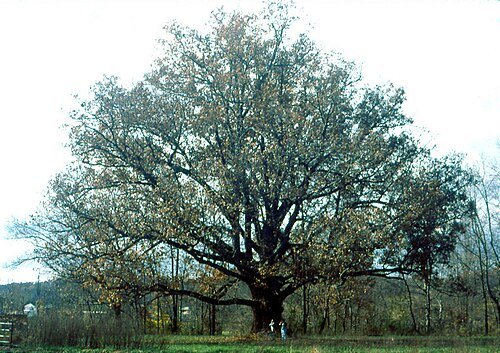
White Oak
Quercus alba
A very long-living tree with some specimens over 600 years old. The wood is relatively rot-resistant, valued for density and strength. Acorns are much less bitter than red oak acorns and were used by Native Americans as food. Valuable food source for turkeys, wood ducks, pheasants, squirrels, and deer.
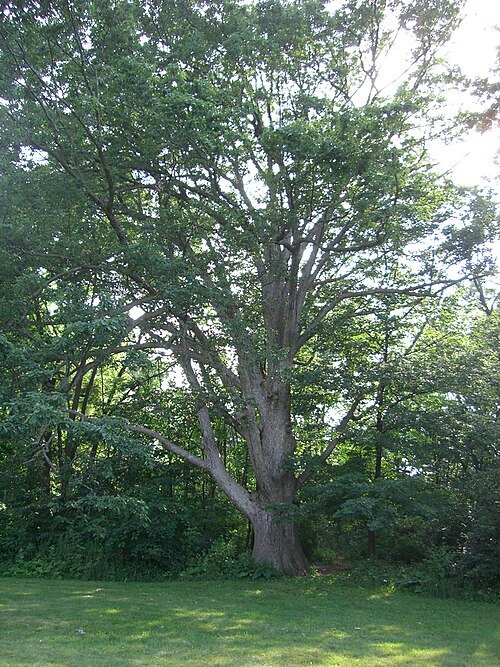
Chinkapin Oak
Quercus muhlenbergii
Known for its sweet acorns—among the sweetest of any oak, they taste excellent raw. The thin-shelled acorns provide excellent food for wildlife and people alike.
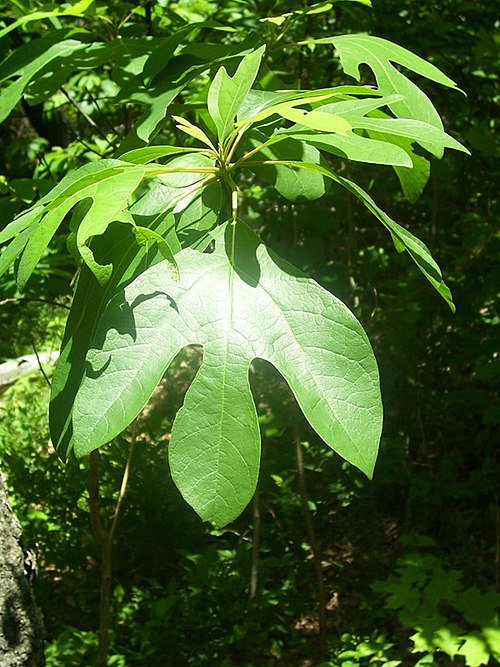
Sassafras
Sassafras albidum
All parts are aromatic and spicy. The wood is durable, especially when in contact with soil, making excellent fence posts. The dried and ground leaves are known as filé powder, still used in Cajun and Creole cooking for gumbo. Native Americans used root bark as an antidiarrheal and for colds.
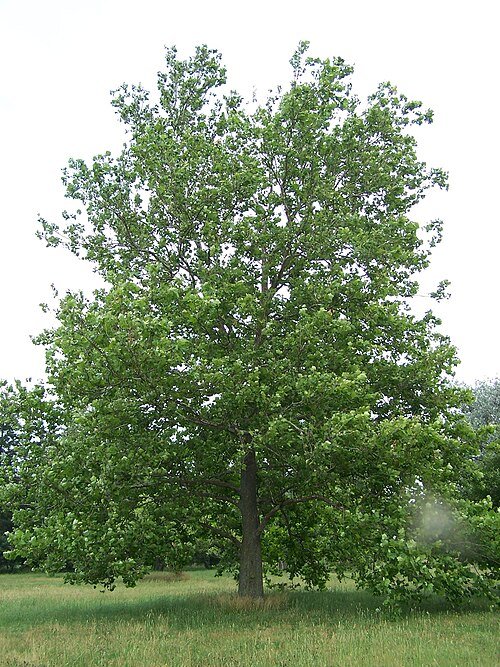
American Sycamore
Platanus occidentalis
Easily recognized by mottled exfoliating bark. Can attain the largest diameter of any Eastern U.S. hardwood. The wood is hard and almost impossible to split, traditionally used for butcher blocks. Pioneers cut cross-sections to make solid wheels for ox carts.
Shrubs
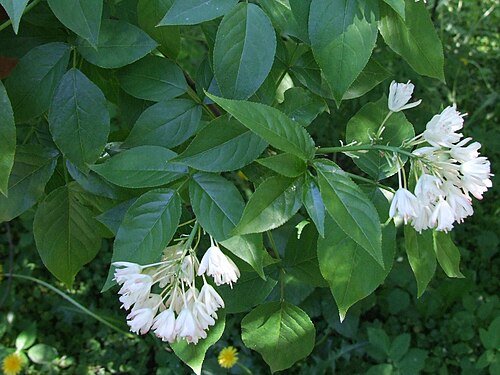
American Bladdernut
Staphylea trifoliata
Found along streams and borders of woods. The seeds are edible raw or cooked, eaten like pistachios. A sweet edible oil can be extracted from the seeds. Dense underground root systems help with erosion control.
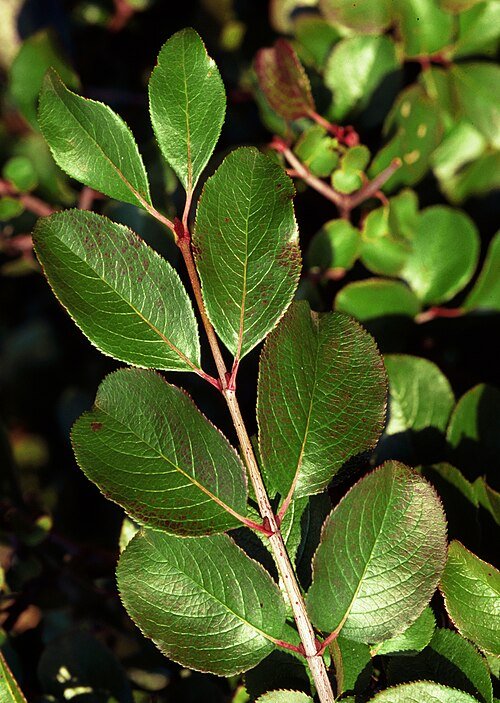
Rusty Blackhaw
Viburnum rufidulum
Identified by glossy leathery leaves and rust-colored buds. The sweet fruits taste similar to raisins and are relished by birds and small mammals. Bark tea was believed to increase urine flow and treat cramps.
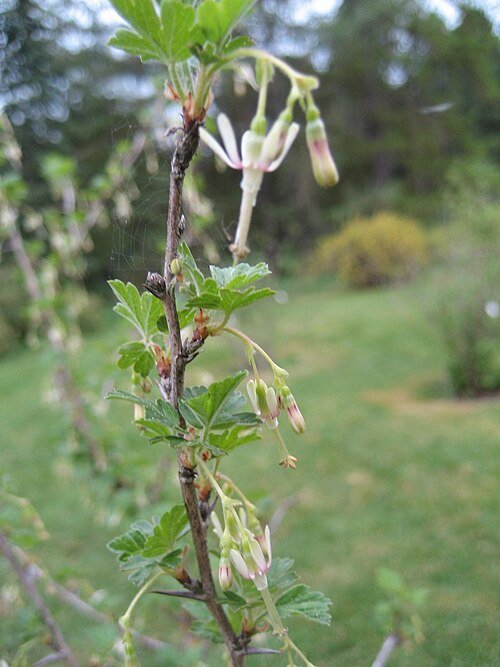
Missouri Gooseberry
Ribes missouriense
The fruit is edible and eaten by songbirds including Catbird, Robin, Brown Thrasher, and Cedar Waxwing, as well as mammals like foxes, raccoons, and squirrels. Native Americans dried the fruit for winter use.
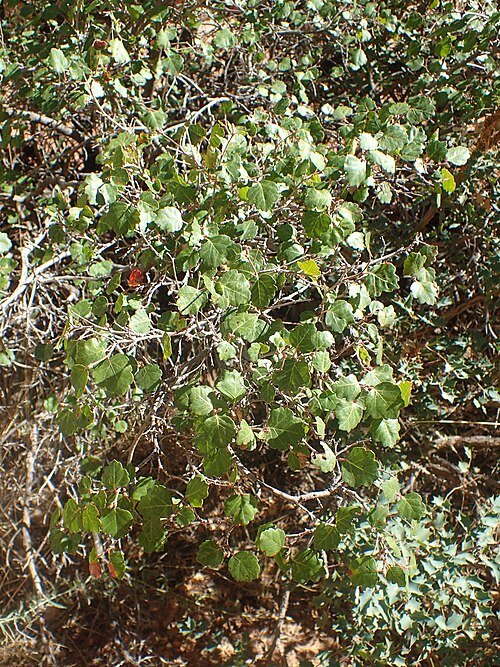
Fragrant Sumac
Rhus aromatica
The leaves yield tannin for tanning hides—leather tanned with sumac is flexible and light-colored. The fruits can be brewed into tea. Native Americans used root poultices for boils and mixed leaves with tobacco for smoking.
Vines
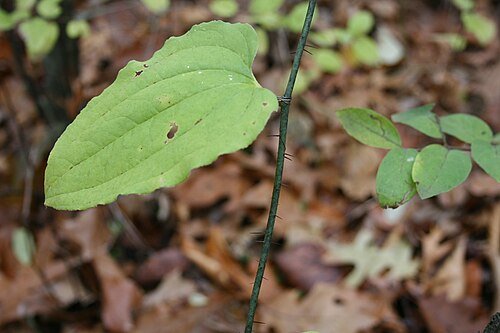
Bristly Greenbrier
Smilax tamnoides
A woody vine climbing 10-15' using tendrils. Dark blue berries are eaten by gamebirds, songbirds, bears, raccoons, and other mammals. The root is edible if cooked and rich in starch. Wilted leaves are applied as poultices to boils.
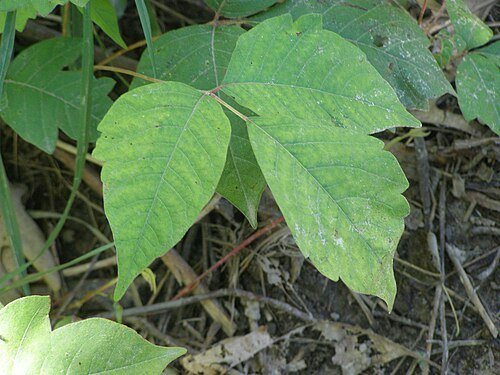
Poison Ivy
Toxicodendron radicans
WARNING: Causes severe skin irritation. Leaves generally come in threes. The urushiol chemical causes itching, inflammation, and blistering. Never burn poison ivy—smoke carries the oil and can damage lungs. The best remedy is jewelweed juice applied to affected areas.
Herbs & Wildflowers
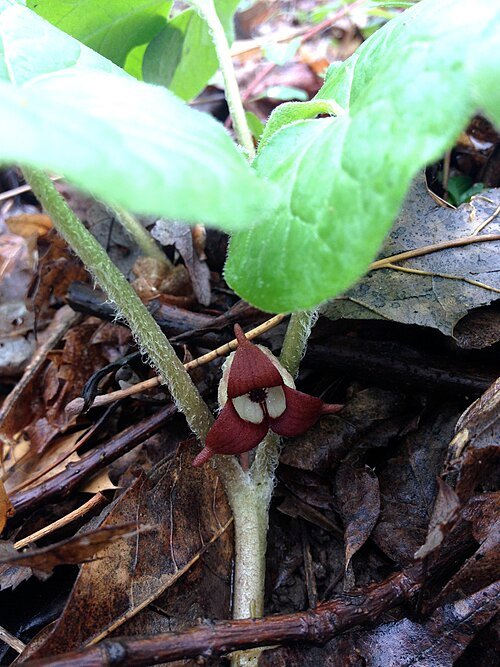
Wild Ginger
Asarum canadense
The root has extensive medicinal uses for chest complaints, asthma, coughs, and colds. Warning: Leaves are poisonous if ingested. The root contains antibiotic substances effective against broad-spectrum bacteria and fungi, and has antitumor activity.
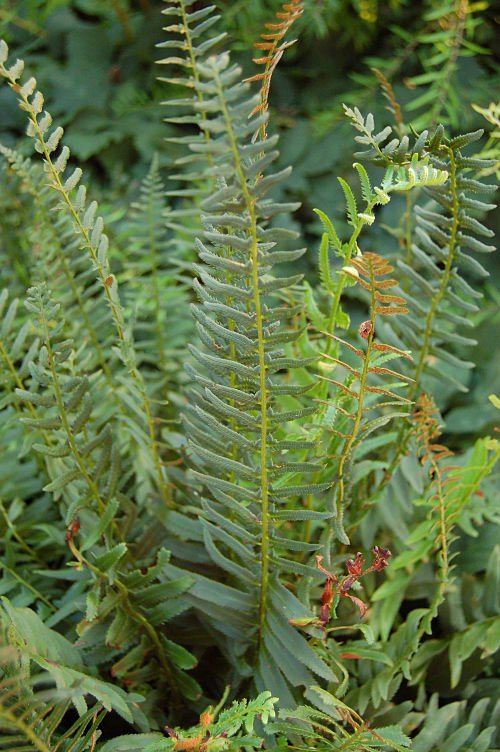
Christmas Fern
Polystichum acrostichoides
One of the most common ferns in eastern North America. The fiddleheads are edible. Fronds help hold fallen leaves on steep slopes for soil conservation.
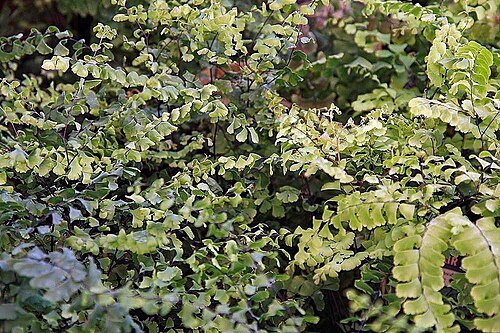
Maidenhair Fern
Adiantum pedatum
Medicinal tea treats nasal congestion, asthma, and sore throats. Native Americans chewed fronds and applied them to wounds to stop bleeding. Also used as a hair conditioner.
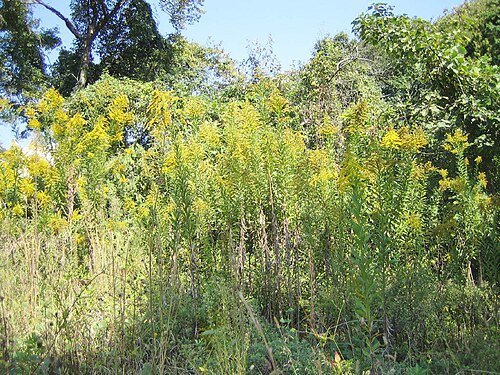
Canadian Goldenrod
Solidago altissima
Grows over 6' tall with yellow blooms that feed bees, wasps, butterflies, moths, and beetles. Praying mantises lay eggs on goldenrod. Native Americans made flower tea for cramps and used flowers to dye wool and silk.
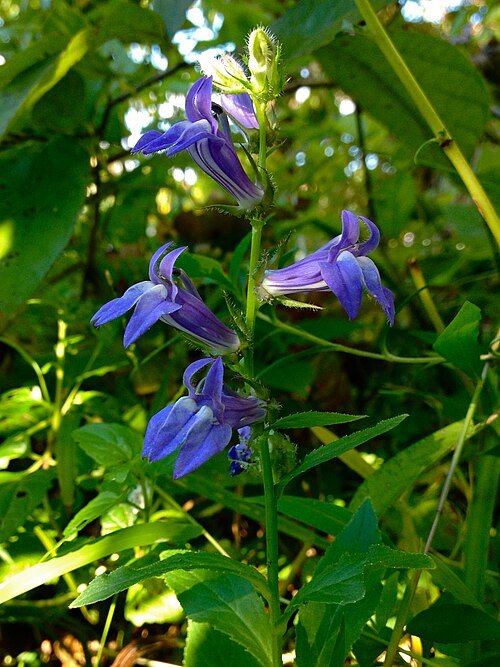
Blue Cardinal Flower
Lobelia siphilitica
Found in wet areas, growing 2-3 feet tall. Attracts bumblebees, hummingbirds, and butterflies. Native Americans used root infusions for worms and rheumatism. Note: Contains dangerous alkaloids; can be toxic in large amounts.
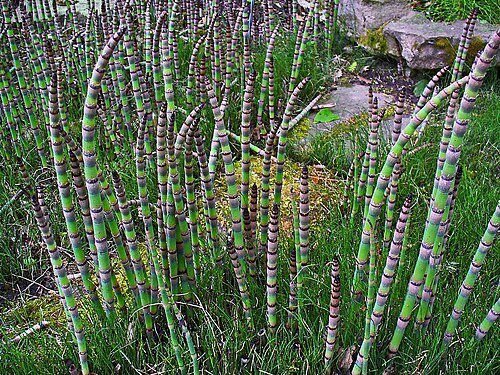
Scouring Rush Horsetail
Equisetum hyemale
Named for its early use scrubbing pots; also used for polishing. Young shoots and black edible nodules on roots can be eaten. Native Americans gave raw stems to teething babies and used it for kidney problems.
Grasses
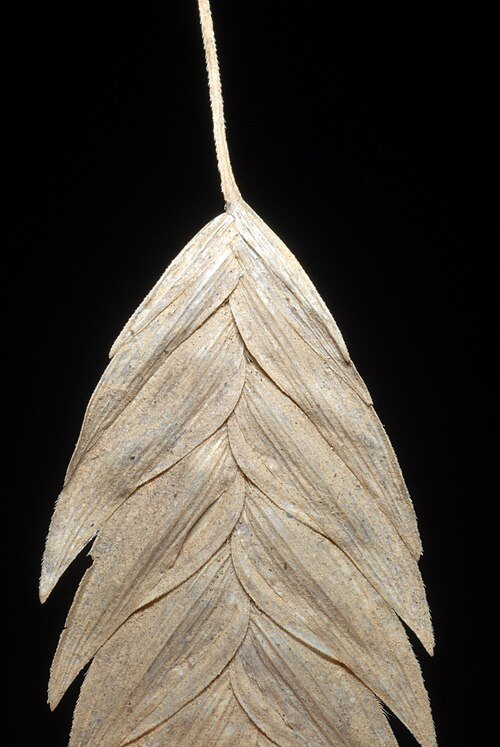
River Oats
Chasmanthium latifolium
A perennial grass growing 2-5' tall, identified by spikelets at the end of each blade. The seeds are edible—they can be dried and stored or ground into mush.
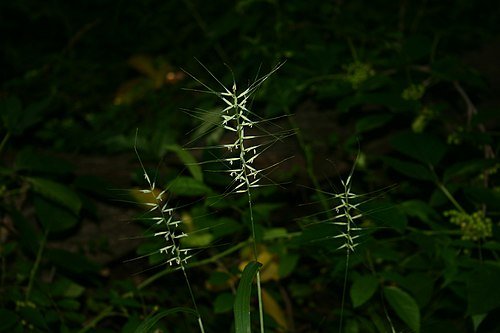
Bottlebrush Grass
Elymus hystrix
A wild rye easily identified by its bottlebrush-shaped floral spike. Prefers partial sunlight to light shade with loamy or rocky soil.
Note: This list represents only a fraction of the plants found on the property. The Nature Conservancy gave Maya Creek's land an "A" grade for biodiversity. We are committed to preserving this diversity as part of our role as stewards of this nature preserve.